The Science Curriculum
Introduction to Science
To give all children a strong understanding of the world, and encourage them to enquire and ask questions, whilst acquiring specific skills and knowledge to help them think scientifically, to gain an understanding of scientific processes and an understanding of the uses and implications of Science, today and for the future.
“Pupils’ work is almost always the best they can do. More often than not, it is very well presented. During lessons, pupils are absorbed in what they are doing and they are fully involved throughout.”
Ofsted 2018
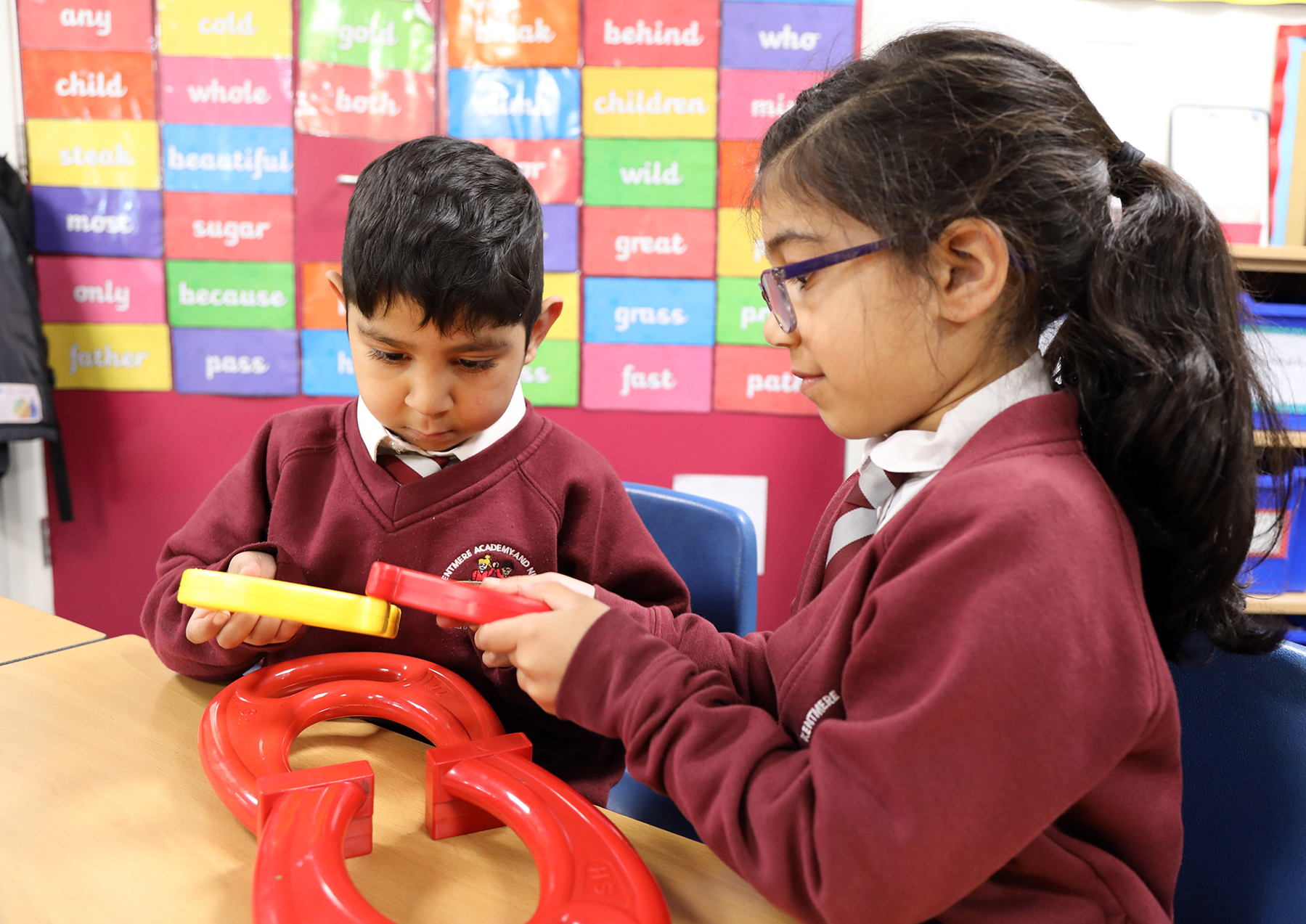
Our Science Vision
“Exploration is the sport of the scientist” (Auguste Piccard)
At Kentmere Academy & Nursery, we believe that Science is one of the most important channels of knowledge. Everything we know about the universe we live in is because of science and the exploration and curiosity of scientists. It encompasses our everyday lives and progresses societies in ways we have seen, and in ways we do not yet know.
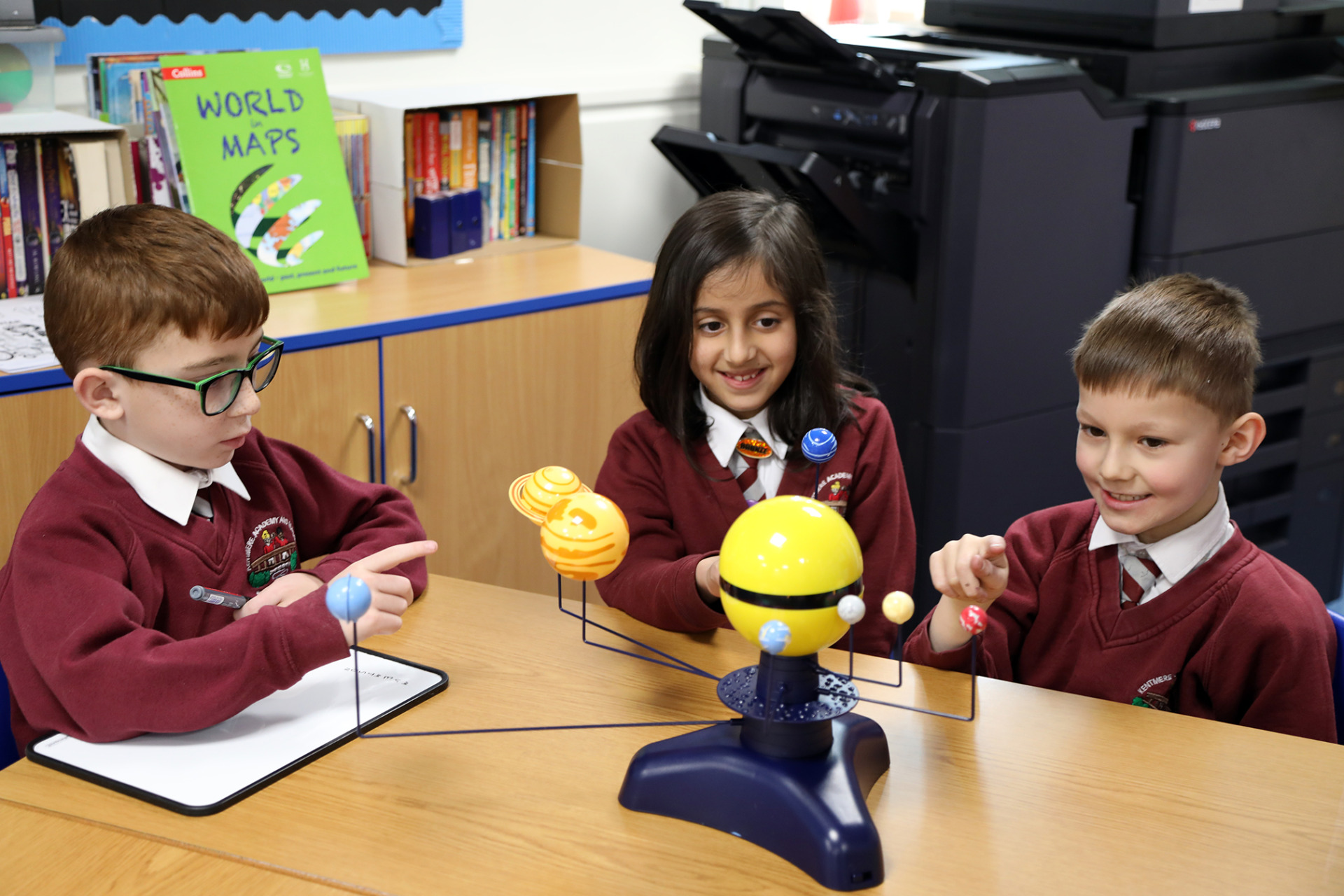
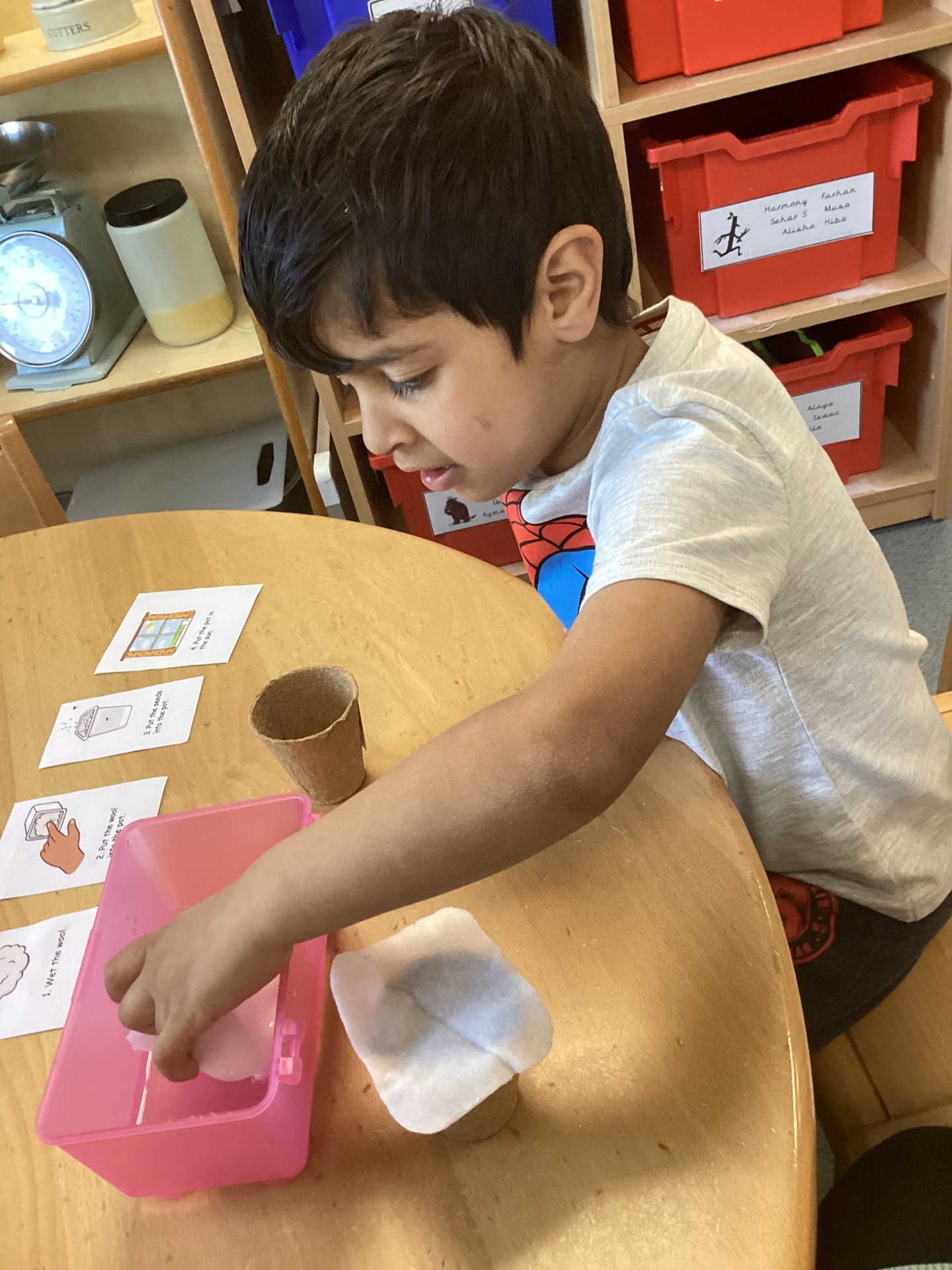
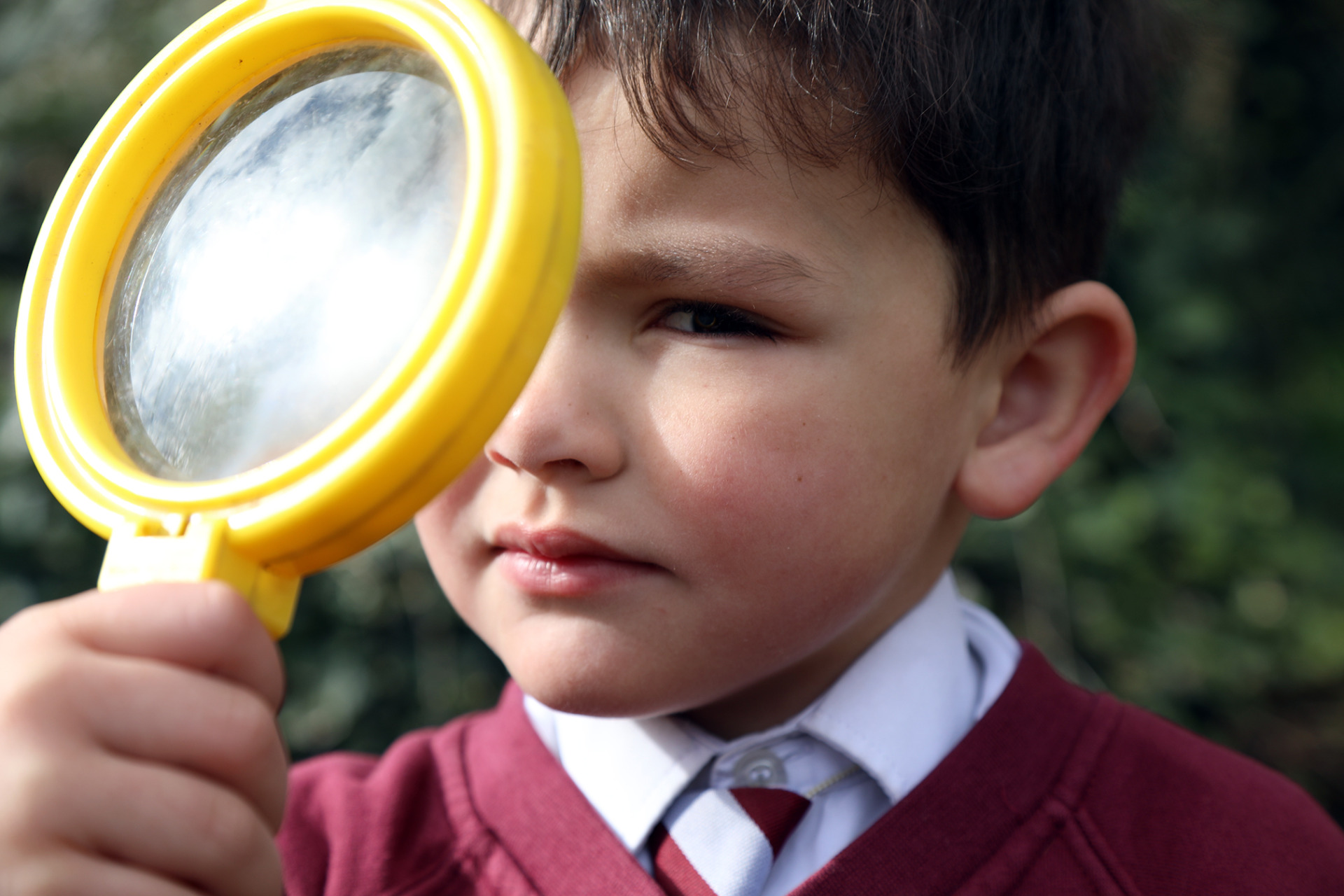
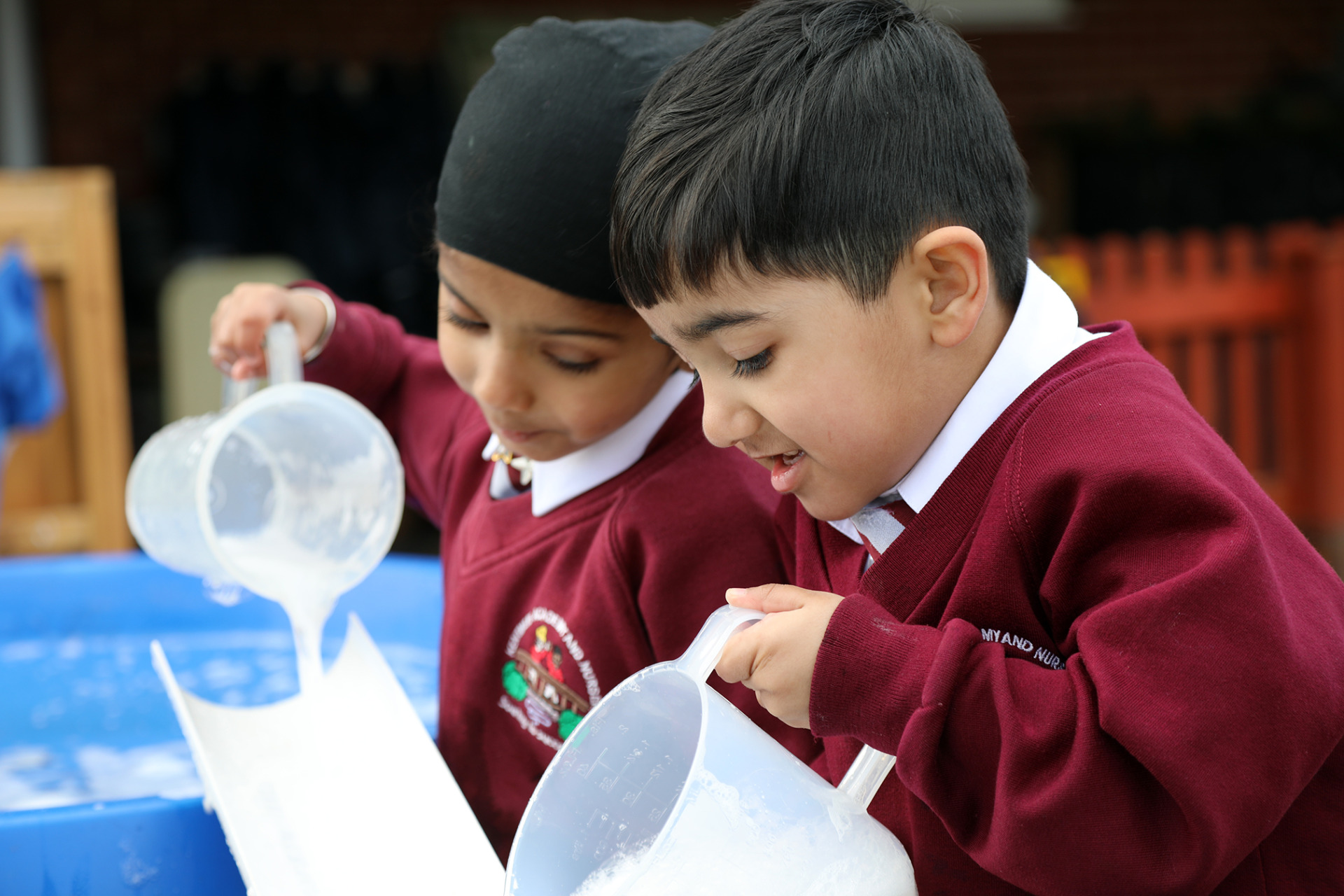
Scientists at Kentmere try to understand how our world, or other things, work. They make observations, ask questions and do extensive research work in finding the answers to many questions others may not know about. We make school a place where children can explore the world of science and their curiosity can be let loose! We understand that children are naturally curious, and we encourage this inquisitive nature throughout their time with us and beyond. Science fosters an interest about our universe and promotes respect for the living and non-living. We want our scientists to be confident working scientifically so they can use equipment, conduct experiments, build arguments and explain concepts confidently and continue to ask questions and be creative.
Science is taught as a mainly discrete subject and where possible cross-curricular links are made (eg. English writing, maths, geography, history, music). Our curriculum is heavily led by investigative questions, following a structure of modelled, scaffolded and independent investigations.
We teach the five different enquiry types within these investigations:
- Observation over time
- Pattern seeking
- Identifying, classifying and grouping
- Comparative and fair testing
- Research using secondary sources
All classrooms include Scientific vocabulary specific to the half terms topic. The KS1 and KS2 classrooms also include a Working Scientifically investigation board which guides the children’s investigations using key terminology and is an integral part of a science lesson at Kentmere. The investigation structure includes:
- Investigation Question
- Hypothesis
- Dependent Variables
- Independent Variables
- Method
- Fair Test
- Results
- Conclusion
Through various workshops, trips and interactions with experts, children have the understanding that science has changed our lives and that it is vital to the world’s future prosperity. Children learn the possibilities for careers in science as a result of our community links and connection with national agencies such as the STEM association.
We know that the teaching of science has been a success when we have confident, articulate children, who can use scientific reasoning to solve problems and answer questions. They show an understanding of local and global issues for the environment and the scientific principles behind them advocating changes in our school for reducing their carbon footprint. They care for our local habitats and have an understanding of why this is important. Many pupils aspire to follow a career in science in the future. But most importantly we have children who have fun experimenting and show resilience when unexpected results happen.
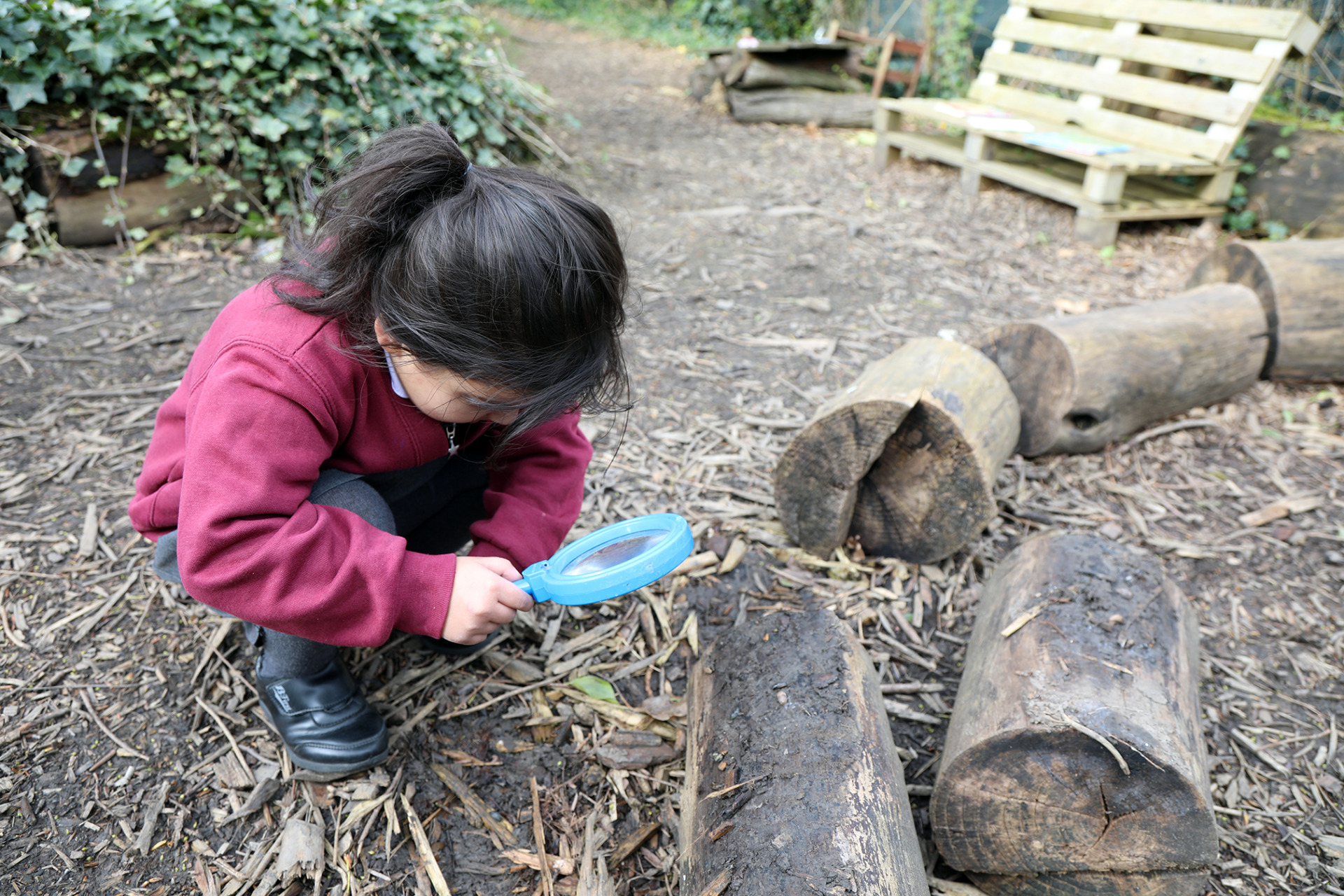
Watch our Science Video
We hope you will watch our video that will show you some of the amazing learning and fun that takes place in our school. Our pupils had fun being filmed and showcasing their work.